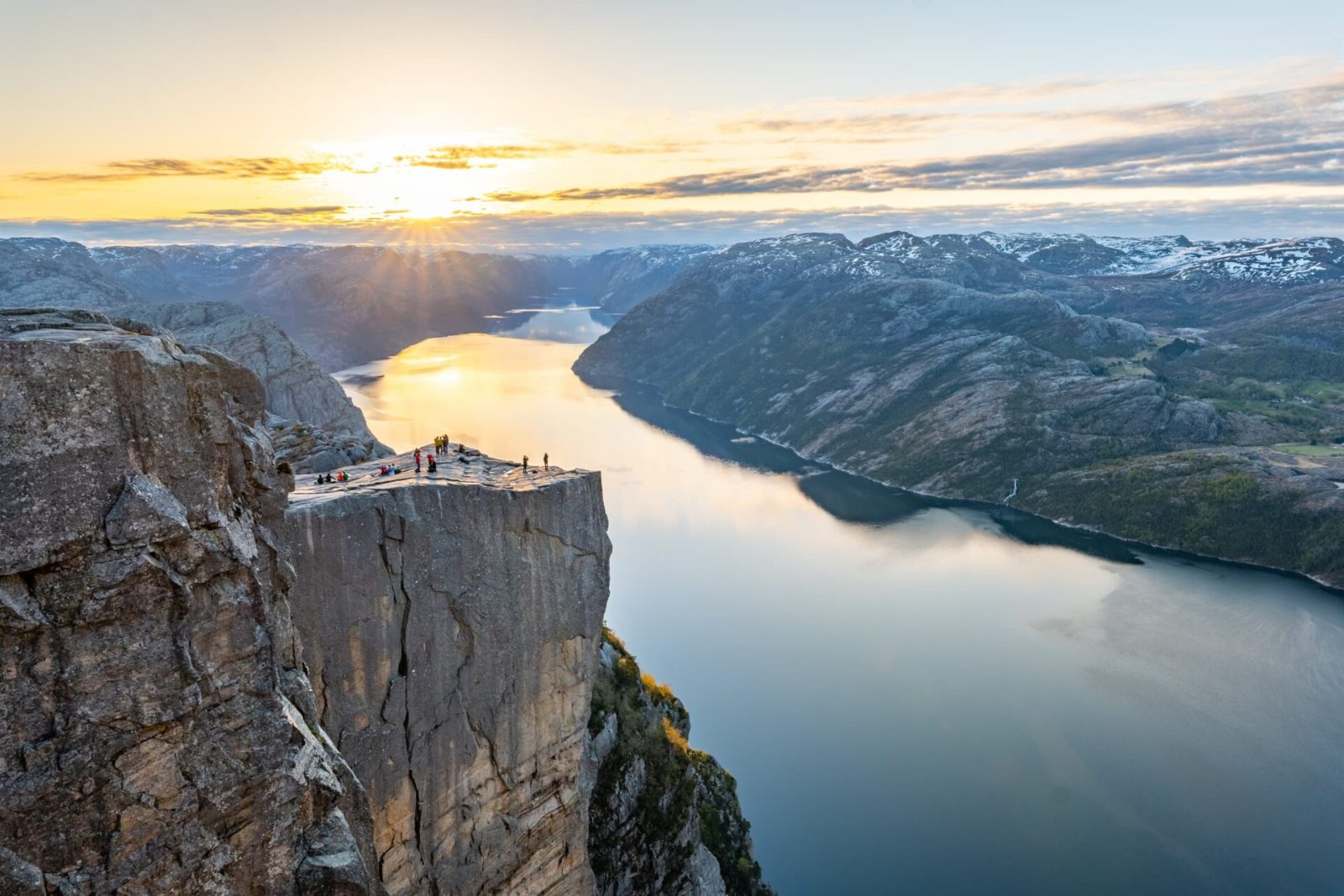
Preikestolen
A massive cliff plateau rising 604 meters above the fjord, providing a wide vantage point over the Lysefjord landscape.
Hike early to avoid peak crowds on the plateau.

Stavanger anchors one of Norway's most dramatic natural landscapes, with Lysefjord cutting 42 kilometers through granite cliffs that rise over 1,000 meters. The question for travelers is whether the logistics and cost align with what the destination delivers. This guide weighs the evidence.
Quick answer
Yes, Stavanger is worth visiting if you prioritize dramatic natural scenery and active outdoor experiences. Lysefjord offers free access year-round, with Preikestolen (Pulpit Rock) providing one of Europe's most striking viewpoints after a four-hour round-trip hike. Late spring through early autumn delivers the most reliable weather, though crowds peak in July and August. The destination suits hikers and photographers more than urban sightseers.
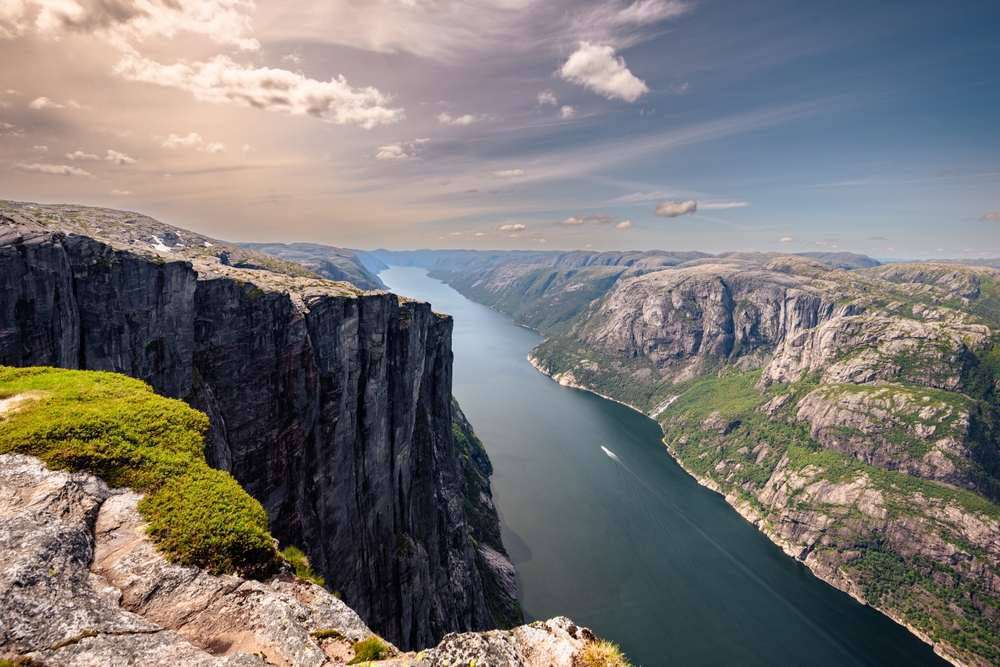
Lysefjord holds 42 kilometers of vertical granite walls, some rising 1,000 meters straight from the water. The fjord formed during the last ice age when glaciers carved through bedrock, leaving behind the sheer faces that define the landscape today. Stavanger sits at the fjord's western entrance, serving as the practical base for reaching Preikestolen, Kjerag, and the waterways themselves. The case for visiting Stavanger centers on access to this geology. Preikestolen—a flat cliff ledge 604 meters above the fjord—draws over 300,000 hikers annually, making it Norway's most-visited natural attraction. The trail climbs through boreal forest and exposed rock, requiring four hours round-trip with 330 meters of elevation gain. Kjeragbolten, a boulder wedged in a mountain crevasse three hours from the city, offers a more strenuous alternative. Fjord cruises depart daily from Stavanger's harbor, passing beneath waterfalls and abandoned farms clinging to cliffsides. The counterargument involves cost and weather. Norway's price level remains among Europe's highest, with meals and lodging in Stavanger reflecting that reality. Rain systems move through the region frequently, even in summer, and fog can obscure the views that justify the journey. The city itself is small, with limited cultural infrastructure compared to Bergen or Oslo. Travelers seeking museums, nightlife, or urban variety will find Stavanger's offerings modest. Whether Stavanger merits a visit depends on how you weight natural landscapes against logistical friction. If hiking to a cliff edge above a glacial fjord represents your ideal day, the destination delivers precisely that. The infrastructure is solid, trails are well-maintained, and the scenery matches its reputation. If you prefer cities or dislike uncertain weather, other Norwegian destinations may offer better value. Lysefjord does not compromise—it presents one experience exceptionally well and asks visitors to meet it on those terms.
“Lysefjord presents one experience exceptionally well and asks visitors to meet it on those terms.”
The optimal window to experience Lysefjord is between 08:00 and 18:00, when daylight provides the clearest conditions for photography and hiking. Visiting during the shoulder months balances daylight availability with lower precipitation levels.
12°C to 18°C; long daylight hours.
Long days provide maximum time for exploration. High season ensures full transport availability.
5°C to 12°C; increased rainfall expected.
The autumn colors offer distinct visual contrasts. Temperatures drop, requiring appropriate layers.
—
Arrival between 08:00 and 12:00 ensures better light conditions. Early starts allow for more stable visibility before afternoon changes.
Verdict: The best time to visit is from June to August or during weekday mornings from 08:00 to 18:00 for optimal visibility.
Access to Lysefjord is provided as a natural landmark, meaning there are no entry fees required to experience the area. Visitors can explore the fjord environment independently without purchasing admission tickets.
Verdict: A typical adult pays 0 NOK for access to the Lysefjord, as the area remains open and free to the public.
Lysefjord is located east of Stavanger, with access points accessible via road to Forsand or by water transport from the city harbor. Planning transit in advance is necessary due to the remote nature of the region.
Tourist ferry from Stavanger to Forsand or Lysebotn
Rv13 to Forsand via Ryfylke Tunnel
Line 570 from Stavanger to Forsand
Prioritize the arrival window of 08:00–18:00 to ensure optimal daylight for travel and navigation within the fjord area. If driving, verify parking availability in Forsand before departure as space is limited.
Lysefjord features several prominent geological formations and cultural sites accessible via the water or surrounding hiking trails. These landmarks define the region's appeal for those visiting the Stavanger area.
A massive cliff plateau rising 604 meters above the fjord, providing a wide vantage point over the Lysefjord landscape.
Hike early to avoid peak crowds on the plateau.
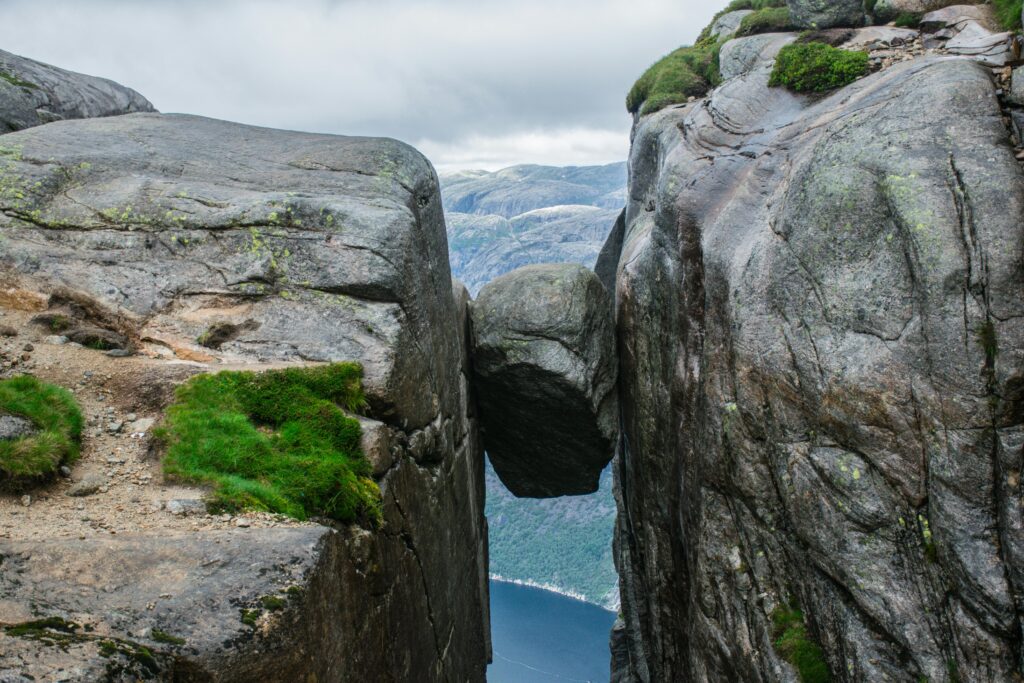
A mountain plateau famous for the Kjeragbolten, a boulder wedged firmly between two rock faces at 984 meters altitude.
Visit during the summer months for accessible trail conditions.
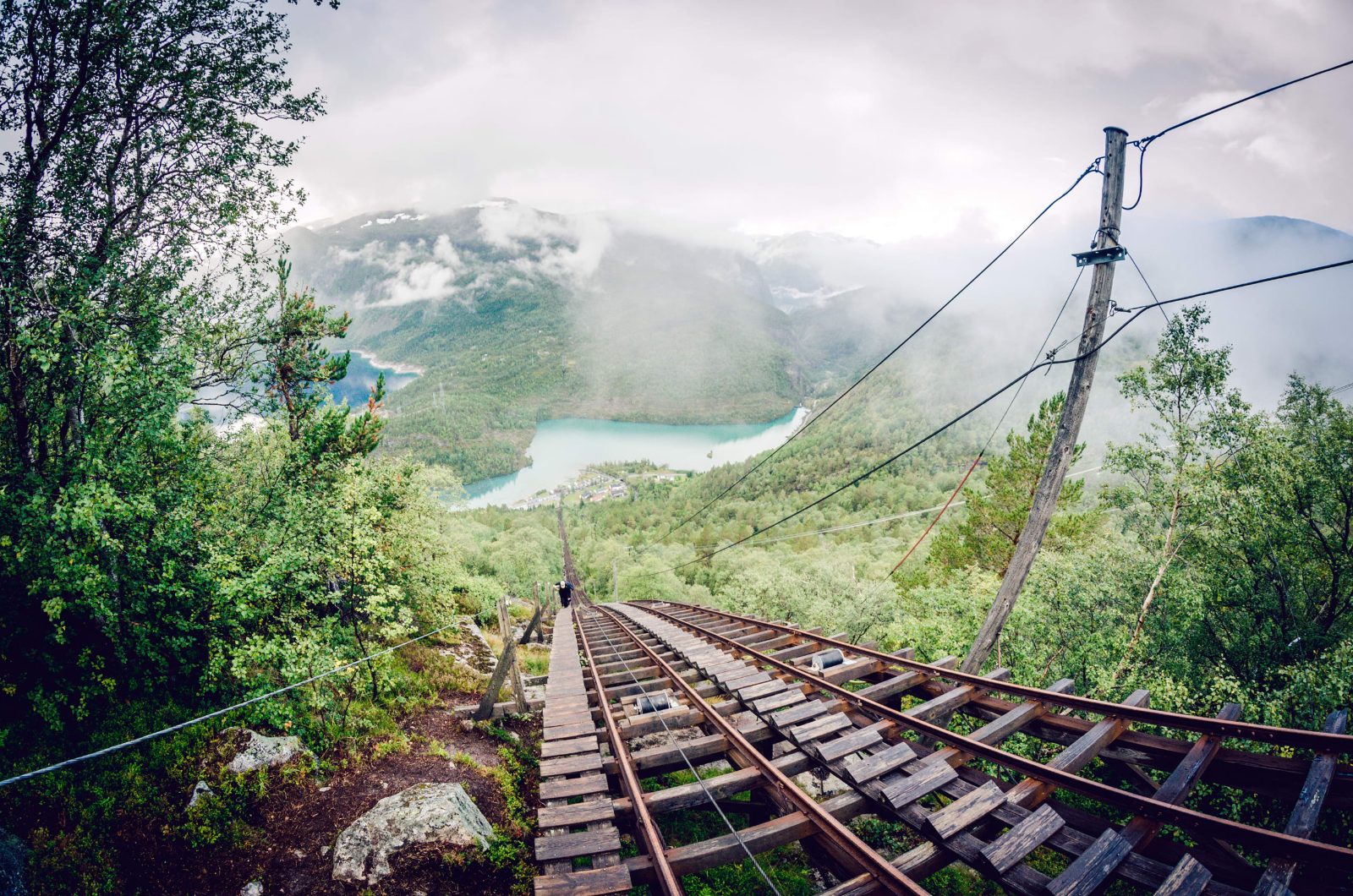
A small village accessible only by boat, known for having the world's longest wooden staircase with 4,444 steps.
Count the steps while climbing the historic pipeline path.
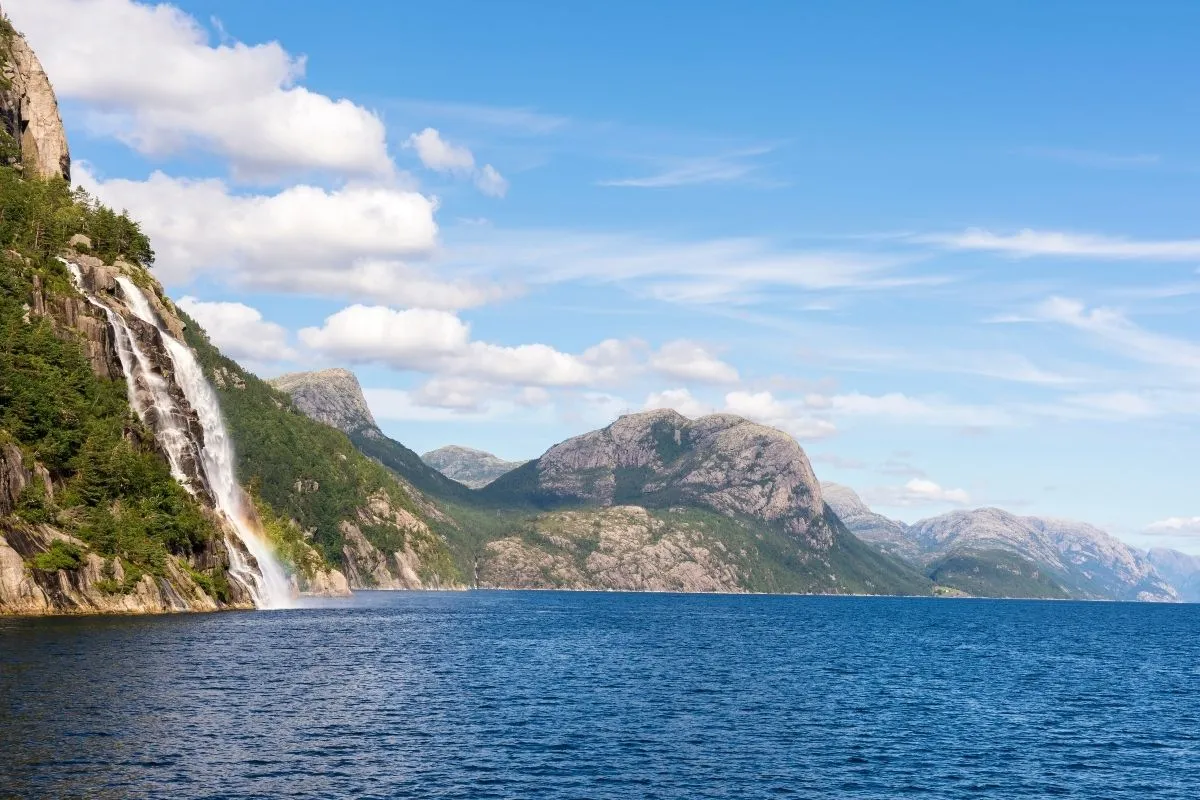
A prominent waterfall that drops directly into the fjord, often reached by boat tours that get close to the spray.
Stand on the outer deck for a clear photograph.
Lysefjord remains accessible at all times, as there are no gates, fences, or time restrictions preventing access to the natural area.
The fjord area demands proper outdoor preparation, especially for hikes like Preikestolen and Kjerag.
Everything you need to know about is stavanger worth visiting
Travelers often ask is stavanger worth visiting because the region offers direct access to some of Norway's most iconic natural landscapes. The fjord provides a majestic setting for those interested in geological formations and coastal scenery.
The best arrival window is 08:00–18:00, which offers optimal daylight and clearer conditions for photography and hiking. Planning your visit within these hours ensures the best visibility for the granite cliffs and surrounding waters.
There is an entrance fee of 0 NOK. As a natural public space, there are no tickets required for the fjord itself.
You can access Lysefjord via various boat tours departing from Stavanger harbor. These fjord cruises offer a comprehensive way to view the landscape without needing to hike the surrounding peaks.
Many families find that is stavanger worth visiting is a positive choice due to the variety of accessible nature experiences. While some trails are strenuous, the fjord itself remains accessible by boat for visitors of all ages.
The area is famous for the Preikestolen plateau, Kjerag boulder, and the deep blue waters characteristic of western Norwegian fjords. These geological features define the region as a primary destination for travelers exploring the coast.
While the weather in western Norway can change rapidly, the fjord remains accessible year-round. It is recommended to check local forecasts to ensure your visit aligns with conditions that allow for a pleasant experience.
A common mistake is failing to allocate enough time for travel between the city and the fjord entrance. Relying on accurate arrival windows helps ensure you enjoy the scenery rather than rushing between transit connections.
Stavanger Fjord Cruise Price
Read more Tickets & toursElectric Fjord Cruises
Read more GuideStavanger Weather and Wildlife
Read more GuideTraveling Between Stavanger and Bergen
Read more Tickets & toursLysefjord & Pulpit Rock Cruises
Read more Tickets & toursStavanger Fjord Day Trips
Read more